
How to Stop Impulse Shopping and Buy Less: A Simple Guide to Mindful Shopping
Shop With Intention, Not Emotion
Impulse shopping can feel exciting in the moment, but those small, unplanned purchases can quickly add up. From buying clothes you rarely wear to ordering products simply because they are on sale, impulse buying can make it difficult to save money and keep your home organized.
The good news is that you don't need to completely stop shopping. The goal is to become more intentional about what you buy. By understanding your shopping triggers, creating a waiting period, setting a budget, and asking yourself a few simple questions before purchasing, you can gradually develop healthier shopping habits.
In this guide, you'll discover practical ways to stop impulse shopping, buy fewer unnecessary products, save money, and create a more mindful lifestyle.

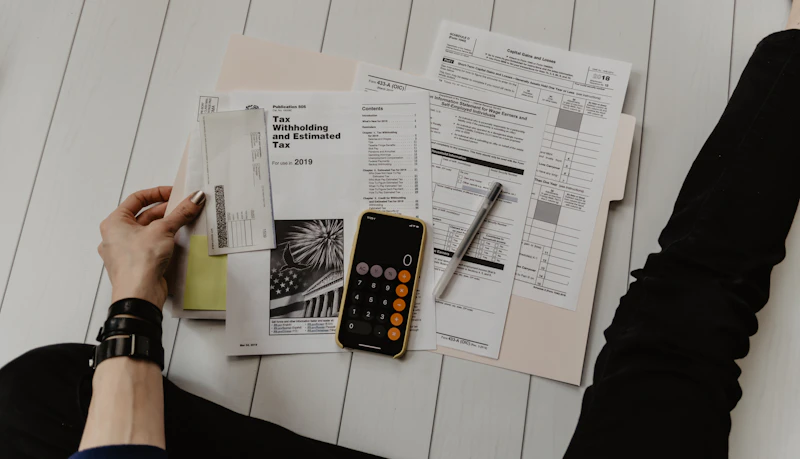

Key Points to Stop Impulse Shopping
1. Identify Your Shopping Triggers
Start by understanding why you make unplanned purchases. Some people shop when they feel stressed, bored, sad, or excited. Others are influenced by social media, discounts, advertisements, or limited-time offers.
Before buying something, pause and ask yourself: "Do I really need this, or am I buying it because of how I feel right now?"
2. Follow the 24-Hour Rule
One of the easiest ways to reduce impulse purchases is to introduce a waiting period. Instead of buying something immediately, wait at least 24 hours before making the purchase.
For expensive items, you can extend the waiting period to several days or even a week. If you still want and need the product after waiting, you can make a more thoughtful decision.
3. Make a Shopping List
Whether you're shopping online or visiting a physical store, create a list before you start shopping. Try to purchase only the items that are already on your list.
A shopping list gives you a clear purpose and makes it easier to avoid random purchases.
4. Unsubscribe From Promotional Emails
Constant sales notifications can encourage unnecessary spending. If you frequently receive promotional emails, push notifications, or messages from shopping websites, consider turning them off.
Fewer shopping reminders can make it easier to focus on the things you actually need.
5. Remove Saved Payment Information
Saved card details and one-click checkout options make purchasing extremely easy. Consider removing saved payment information from shopping websites and apps.
Adding an extra step before checkout gives you more time to reconsider whether the purchase is necessary.
6. Stop Shopping Just Because Something Is on Sale
A discount does not automatically make something a good purchase. If you buy something you don't need, you are still spending money even when the price is reduced.
Instead of asking, "How much am I saving?", ask yourself, "Would I buy this if it wasn't on sale?"
7. Create a Monthly Shopping Budget
Set a realistic monthly amount for non-essential purchases. Once you reach your limit, avoid making additional unplanned purchases until the next month.
A simple budget can help you understand where your money is going and encourage more thoughtful spending.
8. Try a No-Buy or Low-Buy Challenge
A no-buy or low-buy challenge can help you reset your shopping habits. During the challenge, focus on using what you already own instead of constantly buying something new.
You can start with a short challenge such as seven days or one month. Choose rules that are realistic for your lifestyle and focus on progress rather than perfection.
9. Unfollow Shopping Accounts
Social media can expose you to countless product recommendations, advertisements, and shopping links. If certain accounts consistently make you want to buy things you don't need, consider unfollowing or muting them.
10. Ask Yourself These Five Questions
- Do I really need this?
- Do I already own something similar?
- Will I use this regularly?
- Would I still buy it if there were no discount?
- Does this purchase fit my current budget?
If you cannot confidently answer these questions, consider waiting before purchasing.
Build a More Mindful Shopping Habit
Stopping impulse shopping doesn't mean you can never buy something enjoyable. It simply means learning to make purchasing decisions intentionally instead of automatically.
Start small. Wait before making purchases, create shopping lists, set a budget, reduce exposure to shopping advertisements, and use the things you already own. Over time, these small changes can help you spend less, reduce clutter, and feel more confident about your financial decisions.
Remember, the goal isn't to buy absolutely nothing. The goal is to make sure that the things you buy add real value to your life.
Field | Information |
|---|---|
Name | Simple Living Guide |
Address | Rajkot, Gujarat, India |
Phone | +91 98765 43210 |
Choose Mindful Shopping
Before your next purchase, pause, think, and ask yourself whether you truly need it. Small changes in your shopping habits can make a big difference over time.



0 Comments